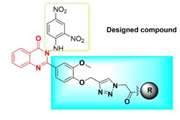
Synthesis, biological evaluations, and in silico assessments of phenylamino quinazolinones as tyrosinase inhibitors
Novel phenylamino quinazolinone derivatives were synthesized as tyrosinase inhibitors. Compound 9r showed the strongest activity (IC₅₀ = 17.02 µM) versus kojic acid (IC₅₀ = 27.56 µM) and 24.67% antioxidant inhibition at 100 µM. Docking and DFT analyses confirmed favorable binding, stability, and reactivity. Kinetic studies revealed competitive inhibition (Kᵢ = 14.87 µM), and molecular dynamics simulations showed stable 9r–tyrosinase interactions, highlighting 9r as a promising tyrosinase inhibitor candidate.
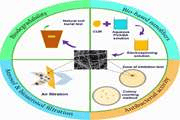
Investigation of Multifunctionality of Electrospun Poly(vinyl alcohol) Nanofiber Membranes Incorporating Boric Acid and Nanoencapsulated Curcumin: Filtration Performance, Antibacterial Activity, and Environmental Impact
**Concise version for citation:** Bead-free electrospun PVA and PVA/boric acid nanofiber membranes incorporating nanoencapsulated curcumin were developed for air filtration. Increased curcumin content enhanced fiber thickness, mechanical strength, filtration efficiency, and antibacterial activity. The membranes achieved ~100% filtration for 0.3 μm particles and >96% bacterial filtration against *S. aureus*, with stronger effects on *E. coli*. Biodegradability decreased with BA but improved with higher curcumin levels, highlighting these green nanofibers as promising eco-friendly air filters for chemical and microbial contaminants.
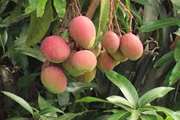
Optimization of Mangiferin from Mango (Mangifera indica L.) Leaves Using Response Surface Methodology
Mangifera indica L. (mango) is a rich source of mangiferin, a bioactive compound with diverse therapeutic properties. This study optimized mangiferin extraction from mango leaves using the dynamic maceration method and Box–Behnken design. Four parameters—extraction time, solvent concentration, temperature, and solvent-to-powder ratio—were evaluated. Optimal conditions (66% ethanol, 54°C, 88 min, 1:19 ratio) yielded 50.68 ± 0.65 mg/g of mangiferin. The results highlight the efficiency of dynamic maceration for pharmaceutical and nutraceutical applications.
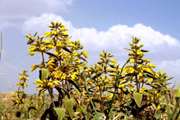
Influence of Four Phlomis Species on Melanogenesis in Human Malignant Melanoma (SKMEL-3) Cells
Based on our results, we suggest these total extracts particularly P. anisodontea extract contain the potent skin browning agents that can be used in pharmaceutical and cosmetic products.
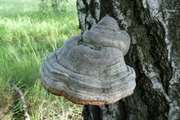
Evaluation of cytotoxic activity of Fomes fomentarius extracts against brine shrimp larvae and colon adenocarcinoma cell line (SW742)
It was found that palmitic acid with other compounds in F. fomentarius had cytotoxic activity against colon adenocarcinoma cells. This feature may provide a biological basis for further clinical evaluation.
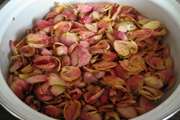
Matricaria chamomilla: an Updated Review on Biological Activities of the Plant and Constituents
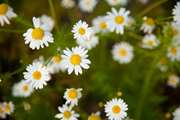
Chamomile or camomile (Matricaria chamomilla L. syn. Matricaria recutita L.) belongs to the family Asteraceae. It is native to Europe and West Asia and has spread to other parts of the world. The plant essential oils and extracts have been frequently used for thousands of years in traditional and folk medicines across the world, due to their valuable medicinal properties.
Isoimperatorin alleviates acetic acid-induced colitis in rats
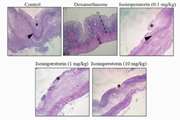
The anti-inflammatory effects of furanocoumarins such as isoimperatorin have been proven in previous studies. In this study, isoimperatorin could reduce inflammatory mediators and improve acetic acid-induced histopathological changes in rats with ulcerative colitis. Further study is needed to unravel the mechanism of its anti-inflammatory activity